Placement Matters More Than You Think
You've got the perfect design in mind. You know the style, the size, the meaning behind it. But there's one decision that can make or break the final result — where you put it.
Tattoo placement affects everything: how the design flows with your body, how visible it is in daily life, how it ages, and yes — how much it hurts. Let's walk through the key placements and what to expect from each.
Arms
The arms are the most popular canvas for a reason. They offer a large, relatively flat surface that's easy to work with and easy to show off — or cover up when needed.
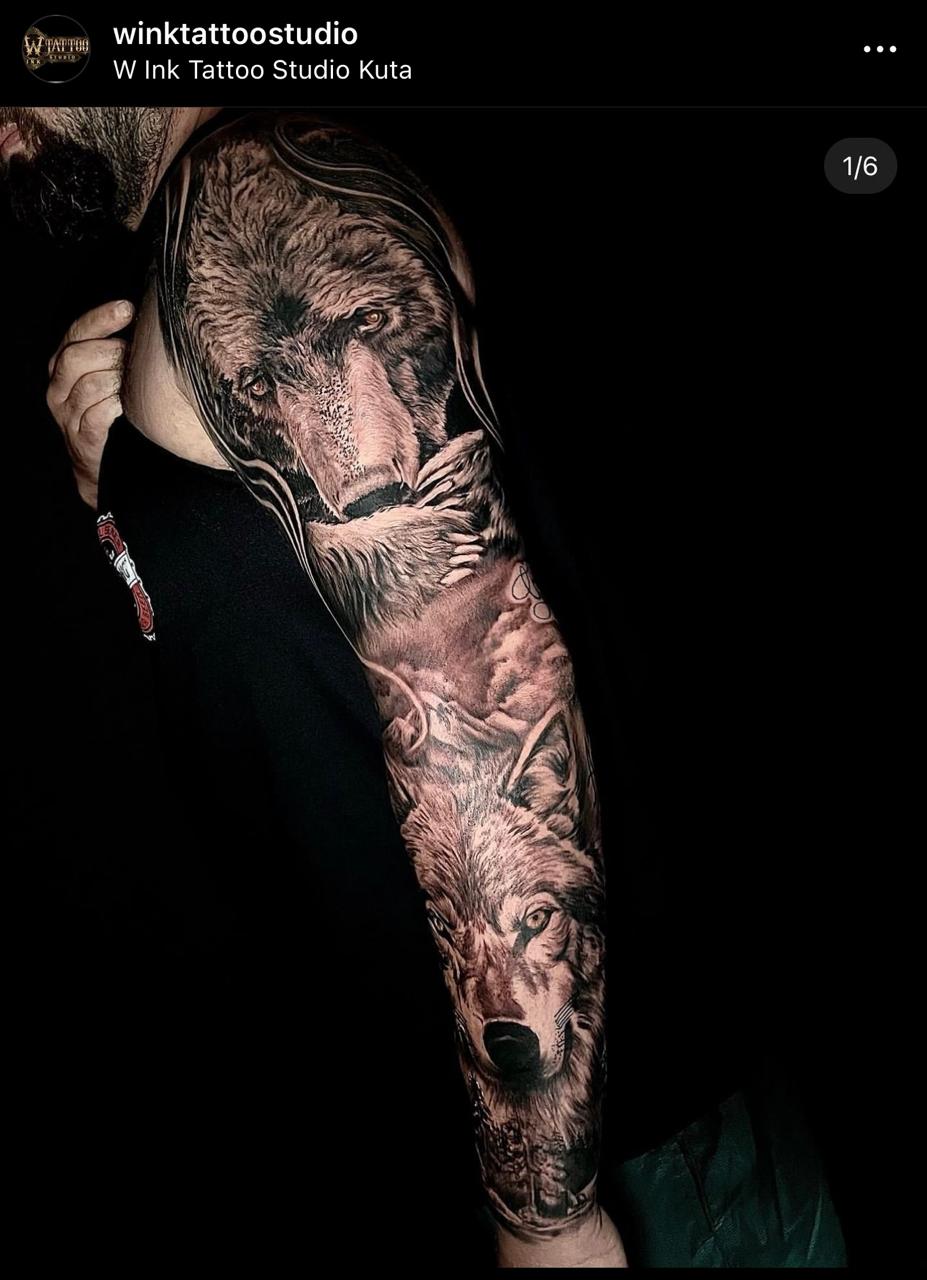
- Upper arm / bicep — Great for medium to large pieces. The natural curve of the muscle adds dimension to the design. Moderate pain level.
- Forearm — One of the most versatile placements. Ideal for everything from fine-line scripts to detailed illustrative work. Relatively low pain.
- Full sleeve — A commitment, but the payoff is extraordinary. Sleeves allow for cohesive, flowing compositions that wrap the entire arm.
Pain level: Low to moderate. The inner arm and elbow ditch are more sensitive.
Legs
Legs offer even more surface area than arms, making them perfect for large-scale, detailed work.
- Thigh — One of the least painful spots and one of the largest flat surfaces on the body. Perfect for bold, detailed pieces like portraits or full scenes.
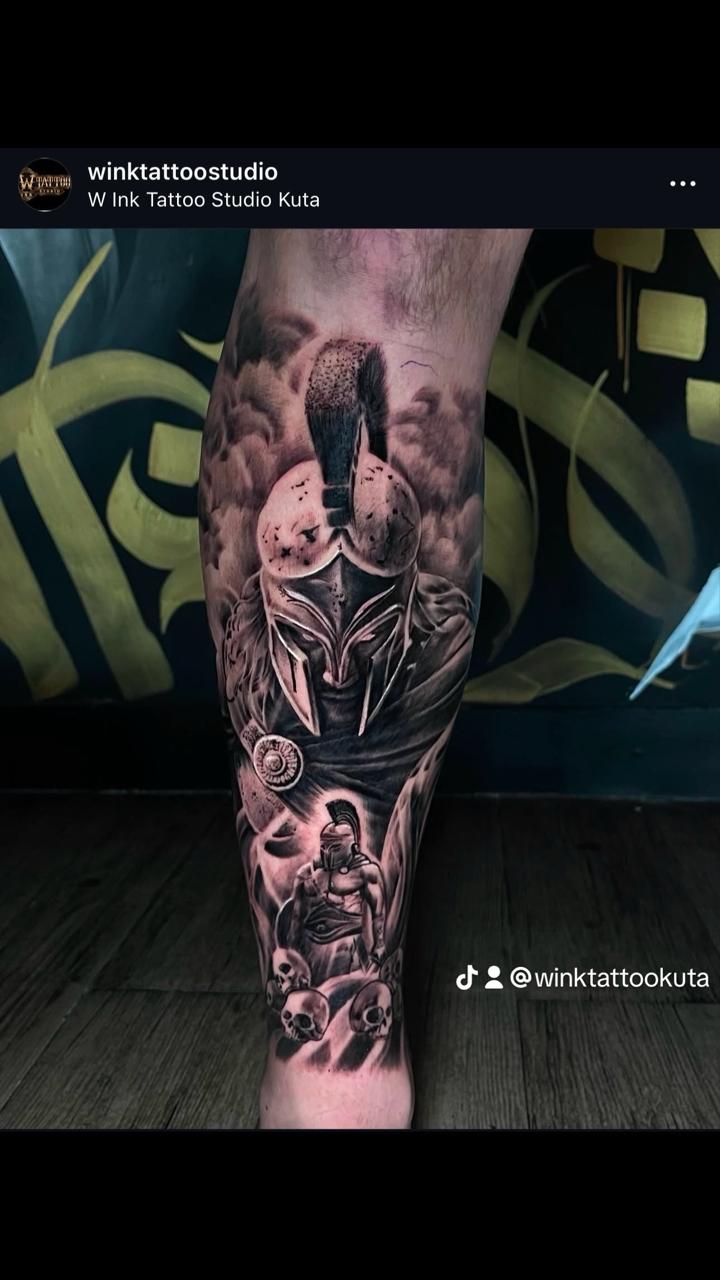
- Calf — A popular choice for standalone pieces. The rounded shape works well with designs that have natural flow.
- Shin — More painful due to the bone, but creates a striking visual impact.
Pain level: Thigh is very low. Calf is moderate. Shin and knee area are higher.
Back
The back is the largest canvas on the body. It's where artists can truly go big — full scenes, intricate compositions, and pieces that span from shoulders to lower back.
- Upper back — Popular for centred designs like mandalas, wings, or symmetrical compositions.
- Full back — Reserved for large-scale masterpieces. These pieces typically require multiple sessions and careful planning.
- Lower back — Less common but effective for horizontal designs or pieces that extend from the spine outward.
Pain level: Moderate overall. The spine and shoulder blades are more sensitive.
Chest
The chest is a bold, impactful placement. It's intimate — often hidden under clothing — which gives it a sense of personal significance.
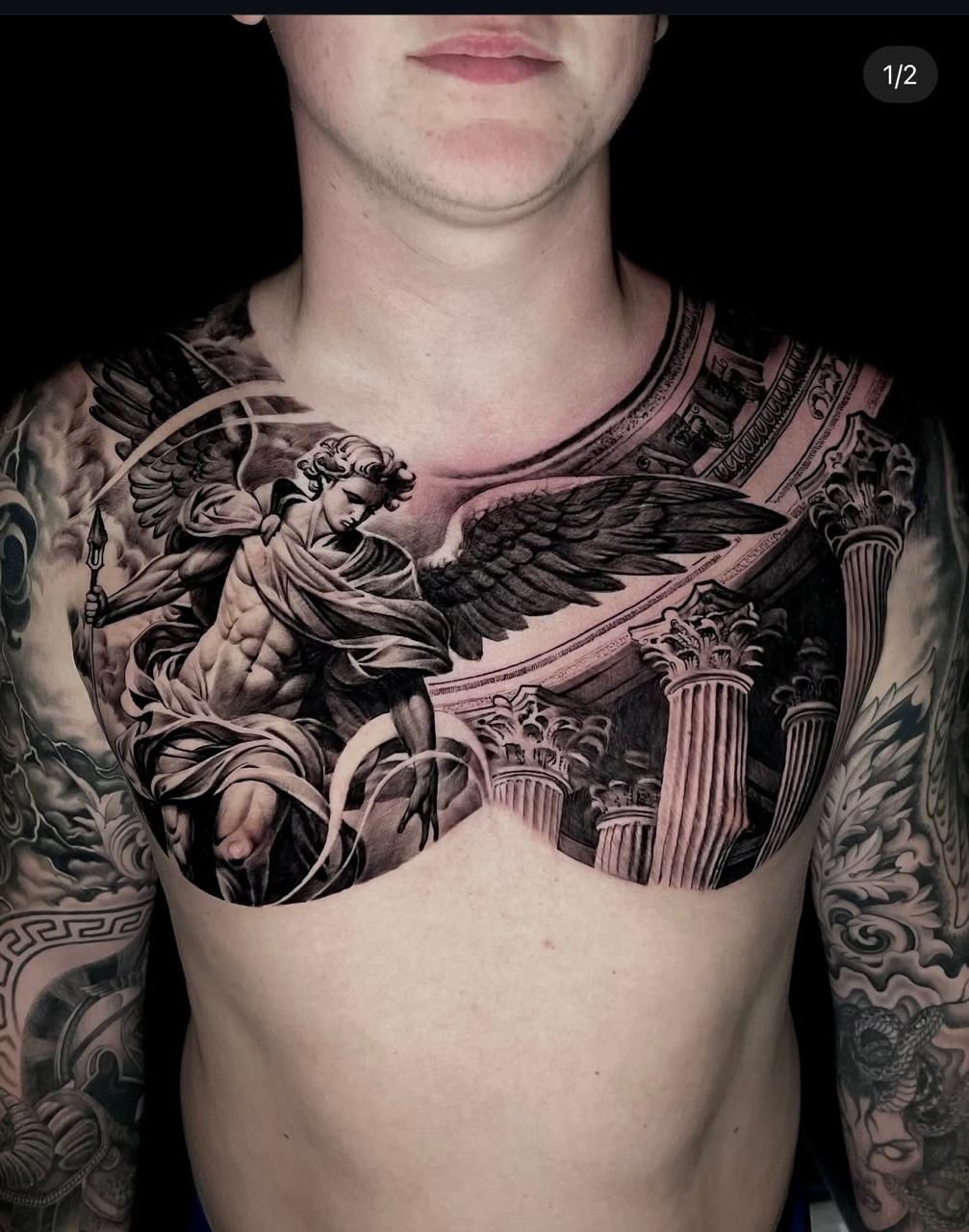
- Full chest — Dramatic, statement-making pieces that span from shoulder to shoulder.
- Pectoral — A strong placement for single, self-contained designs.
- Sternum — Popular for ornamental and fine-line work, especially vertical designs that follow the body's centre line.
Pain level: Moderate to high. The sternum and collarbone area are particularly sensitive.
Spine
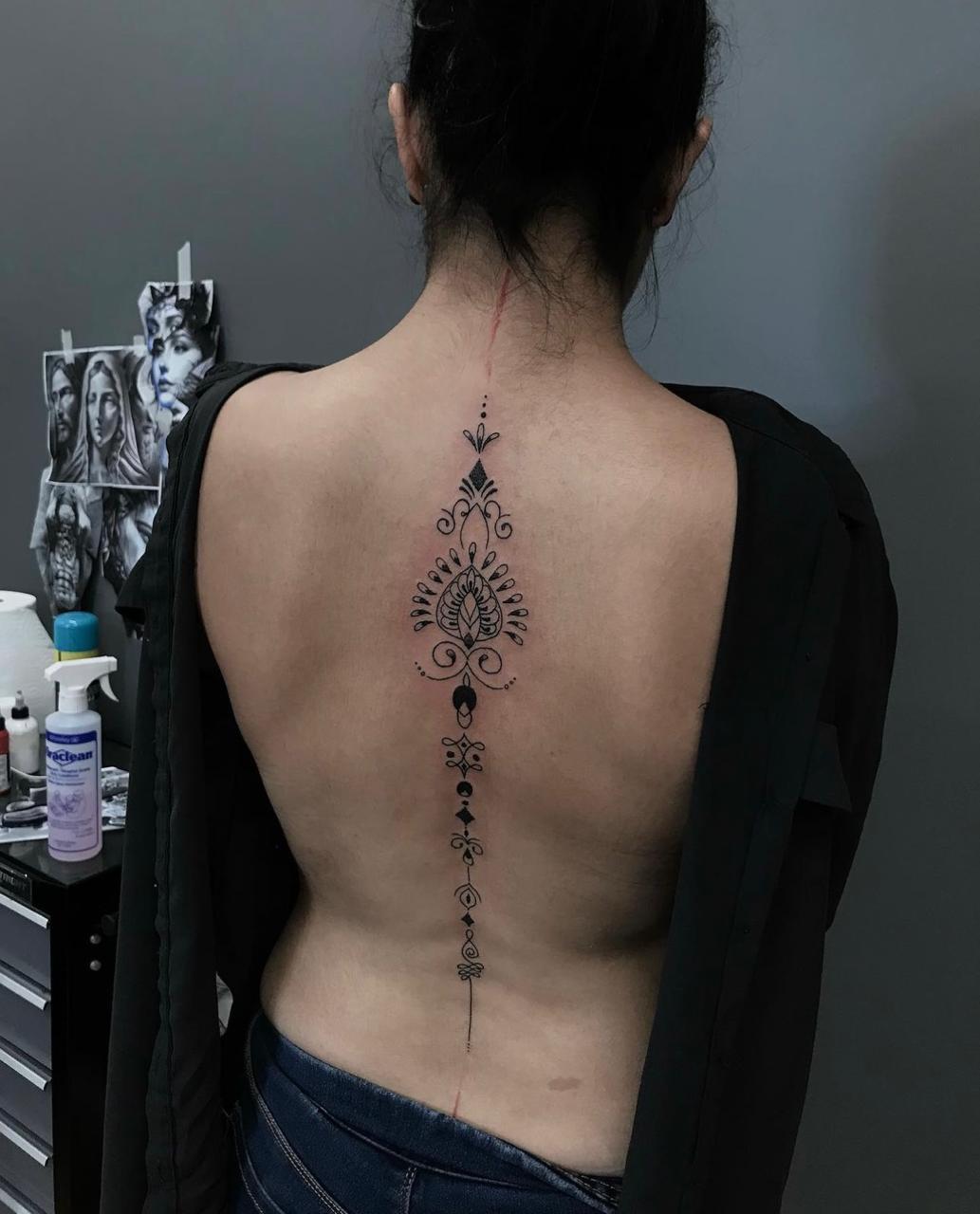
Spine tattoos have surged in popularity, and for good reason. The spine offers a long, narrow canvas that's perfect for vertical compositions — scripts, floral trails, ornamental patterns, and geometric sequences.
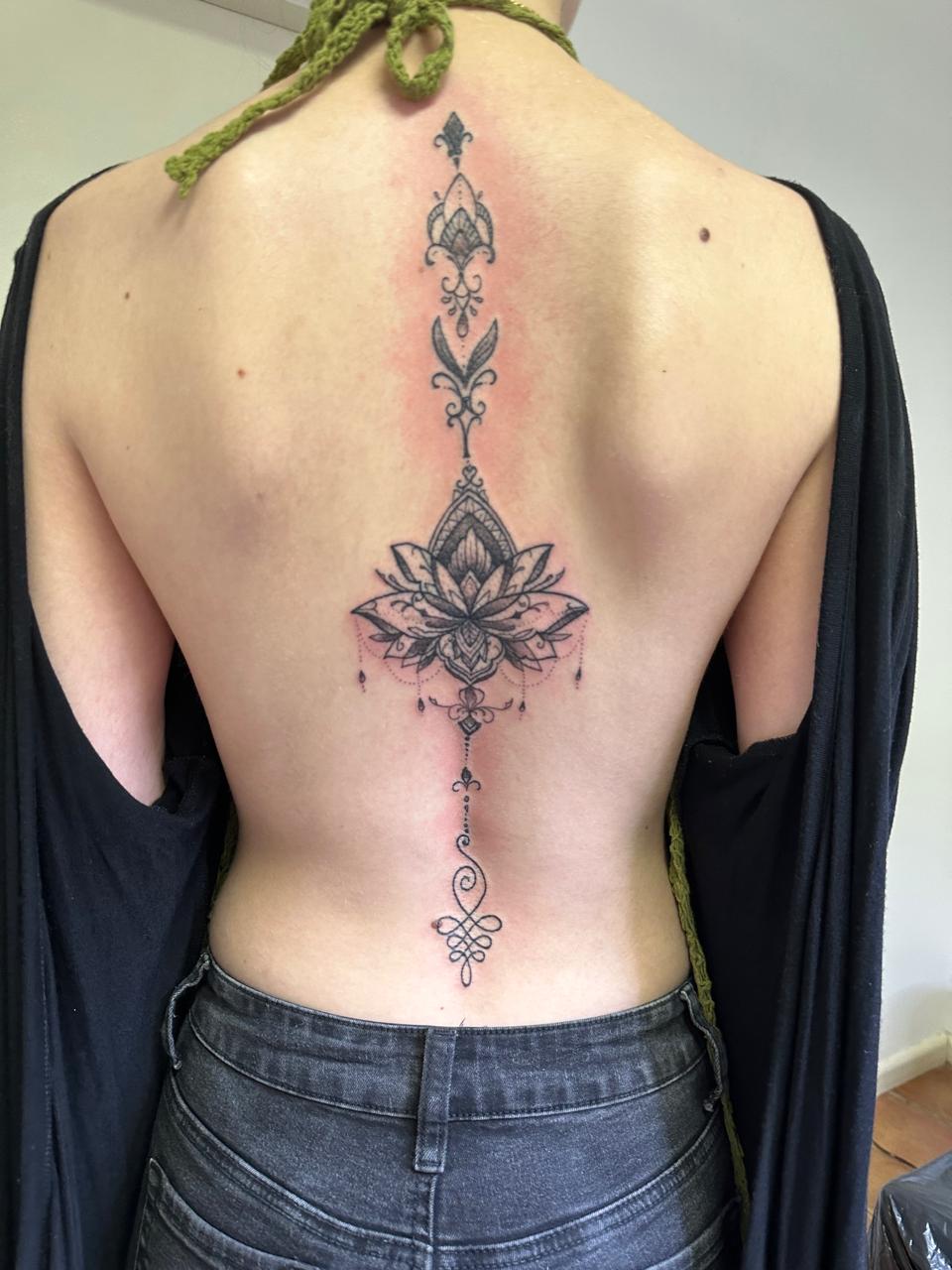
Pain level: High. The spine is bony with less cushioning, so expect more intensity. But the results are worth it.
Ribs
The ribcage is a favourite for those who want something personal and easily concealed. It's a large area with beautiful natural contours.
Pain level: High. The ribs are one of the more painful areas due to thin skin and proximity to bone. Deep breaths help.
Hands, Fingers & Feet
These placements are visually striking but come with caveats:
- Fading — Hands and feet see more wear, sun exposure, and friction, which means tattoos here tend to fade faster.
- Touch-ups — Plan for periodic touch-ups to keep the work looking sharp.
- Pain — Hands and feet are sensitive. Expect higher pain levels.
Best for simple, bold designs that can withstand the test of time.
How to Choose the Right Placement
Here's what we recommend:
- Match the design to the surface — A detailed portrait needs a flat, spacious area. A fine-line script can work on smaller, curved surfaces.
- Think about visibility — Do you want your tattoo on display or kept personal? Consider your lifestyle and profession.
- Consider the pain — Be honest with yourself about your pain tolerance, especially for first tattoos.
- Plan for the future — If you might want to extend your tattoo into a larger piece later, choose a placement that allows room to grow.
- Ask your artist — A good artist will always advise on what placement works best for your design. That's what consultations are for.
Let's Find Your Perfect Placement
At Felicidad Tattoo Studio, every consultation starts with a conversation about placement. We'll help you find the spot that brings your design to life — one that flows with your body and feels right for years to come. Book a free consultation and let's plan your next piece together.